
Autumn is a wonderfully dramatic time for trees as their leaves change colour as temperatures drop, and they shed their leaves with a flourish. Read on for ideas of how to enjoy the best of trees in autumn, from a good leaf crunching walk in the woods to testing your autumnal ID skills.

Why do leaves change colour?
The green colour of leaves is from chlorophyll which helps plants turn the energy of the sun into sugars. In the autumn, levels of chlorophyll drop with the lower temperatures and as the green colour retreats, the yellows and oranges of the leaves are revealed.
If the autumn is very dry, some trees produce anthocyanin which produces a red leaf colour. Look out for the beech, field maple, hawthorn and silver birch trees for their kaleidoscope of leaf colours.
Find out more about changing colour of leaves on the Woodland Trust website

Bright as a berry
It’s not just leaves that bring autumn colour – the berries in hedgerows and woodlands can be dazzling at this time of year. In the hedgerows it’s easy to spot the red hawthorn berries and bluey-purple of the Blackthorn berries (also know as sloes … as in sloe gin!).
Rowan and Guelder rose berries are bright red, while Spindle has spectacular pink and orange berries.

Fungi season
Autumn is the best time of year to find fungi – the warm and damp conditions at this time of year suit them best. Head out to the woods … or even to your park, garden or yard … and you’re bound to find a few of the 15,000 species of fungi growing in Britain.
But the mushroom or toadstool you may find are often just the tip of the iceberg to an extensive underground fungi kingdom that helps the circle of life keep turning.
Head over to the Woodland Trust website for top tips to identify woodland fungi

It's seed gathering season
As the summer turns to autumn, trees start to shed their seeds, nuts and fruit. Wildlife will feast on this woodland bounty but it is also a great chance to grow your own trees from seed.
The Tree Council signals the Seed Gathering Season starts on 21st September each year and they have lots of advice on how to gather seeds responsibly and to grow them on successfully.
Visit the Tree Council website to read more about seed gathering and growing.

Dorset Community Tree Fund
Trees are vital in tackling the climate crisis through carbon capture & storage, they support wildlife and help slow water flow and prevent flooding. The Dorset Community Tree fund aims to support communities to achieve these aims and ensure our trees thrive.
Parish and town councils, schools and constituted community groups within the Dorset Council area can apply for a grant to help towards planning, planting and caring for trees in their area.

Inspired by nature
There’s nothing like a jewel coloured leaf to stop you in your tracks! Slow down and take a closer look at the autumn leaves with our Seasons of Stories activities.
Our free viewfinder template means you can focus on one small part of the landscape at a time! Frame a single leaf and suddenly the colours, veins and patterns become the whole picture.
It’s used in the Shadows, Reflection and Change activities on All Ways Out webpages, and you can see it in action in the Change film.

Autumn tree quiz
Can you identify these ten UK trees when their leaves are turning or in full, brilliant autumn colour?
Test your knowledge with our autumn leaf quiz and get some top tree facts too.
Visit the Woodland Trust website
Get you wellies on - woodlands to explore in Autumn

Great for walks & picnics, Easy access
Allington Hill & Coopers Wood
Wooded hill in Bridport, great for wearing out the kids - or the dog! - picnics and peace.


Walks
Powerstock Common
Gentle walks through the trees and meadows of this Dorset Wildlife Trust reserve.


History & heritage, Good for walking & families, Friends, Dog walkers
Milton Abbas


Woods, Walks, Wildlife
Thorncombe Wood Local Nature Reserve
A magical pocket of mixed woodland and heath close to Dorchester


walks
Okeford Hill
Outstanding views over the Blackmore Vale and beyond. A tranquil place to explore.

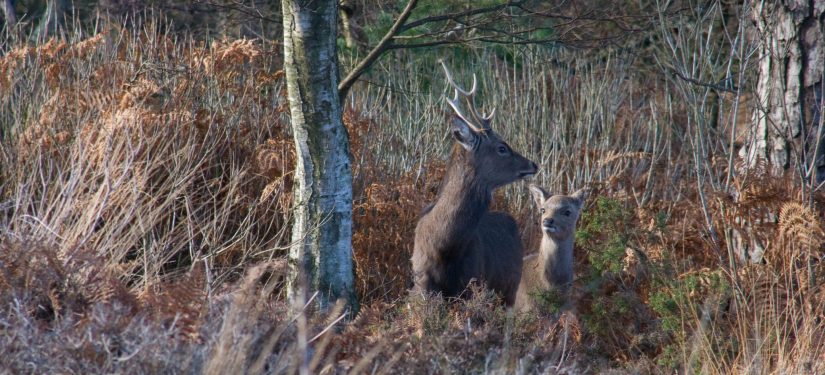
Good chance of seeing deer, Walks, Wildlife
Arne Nature Reserve
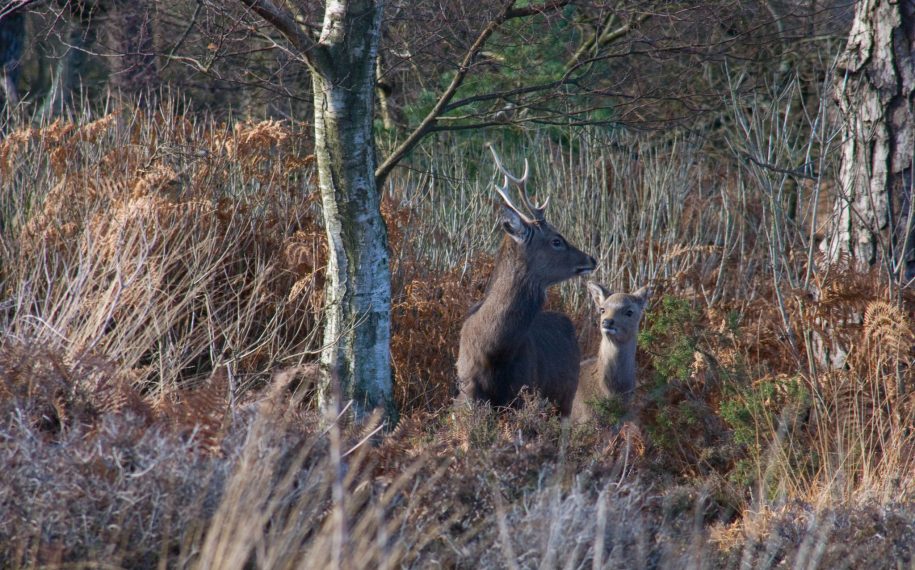
Enjoying Autumn at home
Autumn is an abundant and ripe time of the year. Use the book and audiobook to help you take notice and cherish seasonal changes occurring around you.
The collection of Autumnal themes included will help you connect with nature and prompt memory, conversation and reflection without the need to step outside, perfect for those that find it difficult to get outdoors and enjoy the health and wellbeing benefits of connecting to nature.
You can read or listen to the Autumn book on our All Ways Out webpages


