Duke of Burgundy Butterfly critical site management
Local conservation groups come together to deliver critical site management, to help save the Duke of Burgundy Butterfly
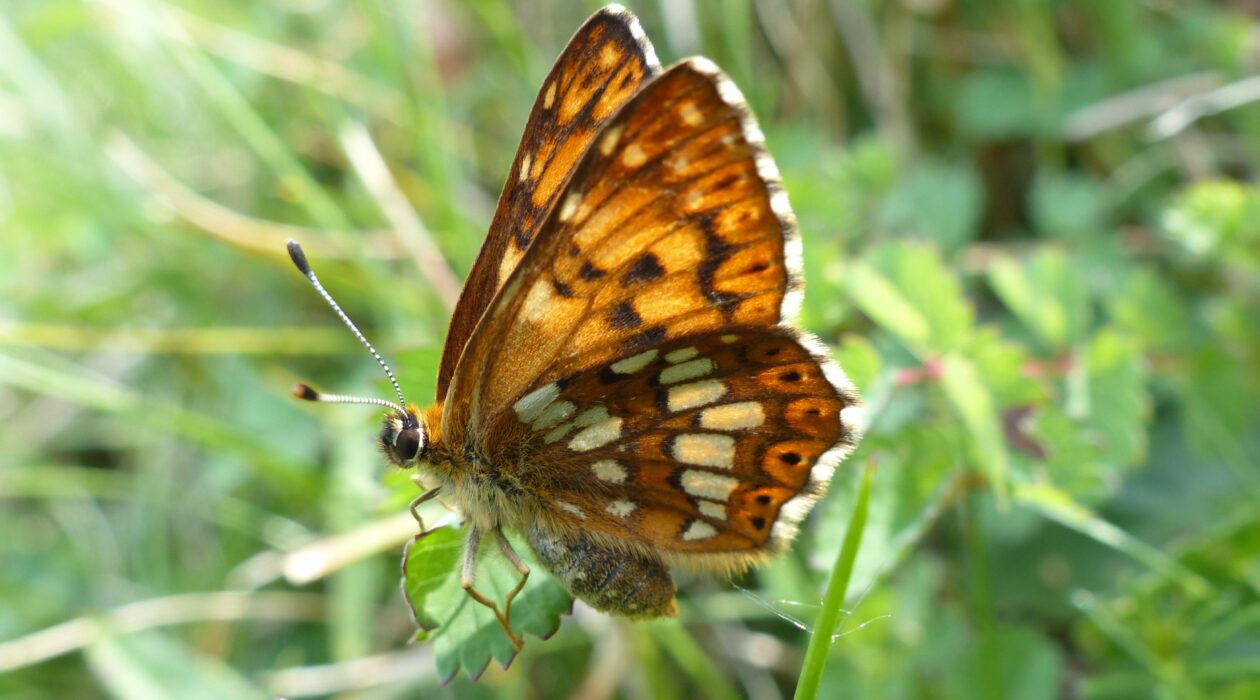
Local conservation groups come together to deliver critical site management, to help save the Duke of Burgundy Butterfly
After a dramatic national decline, Duke of Burgundy (DoB) butterflies are now only found in a handful of sites in Dorset in the Cerne and Sydling valleys. FiPL funded Butterfly Conservation to carry out an important piece of work in 2024 which assessed habitat connectivity and potential actions across 30+ farm holdings to bolster these tiny breeding populations and link them up. In early 2025, the FiPL team facilitated the formation of a local DoB Action Group, recognising the urgent action required to support this endangered butterfly species. The group is made up of representatives from Butterfly Conservation, Dorset Wildlife Trust, High Stoy Conservation Cluster, Local branch of Butterfly Conservation surveyors, Dorset Downs and Hilfield cluster facilitators, Natural England, Dorset Council and Dorset National Landscape. This FiPL grant was awarded to the Hilfield cluster group to:
This project forms part of a suite of £100k of FiPL investment in 25/26 to deliver many of the practical recommendations made in the 2024 report, and is a priority for the Nature Recovery focus identified by the FiPL Local Assessment Panel. These project involve landowners and managers working collaboratively to implement positive land management across the chalk landscape, that not only benefits the DoB but also other rare and threatened species, including dingy skipper, adonis blue and marsh fritillary.
FiPL grant awarded: £15,124
Meets Nature outcomes of FiPL through appropriate habitat management to expand the breeding area for DoB butterflies, increase connectivity between habitats by managing rides, and growing on cowslips for future planting, and promoting good practice habitat management by offering advice and training to local land managers. It also meets People outcomes as practical volunteers are able to directly contribute to the project, and Place objective as the quality and character of the open downland character of the existing colonies is maintained.
Practical scrub management at 6 key sites was carried out over the winter of 2025/26, following the recommendations of the 2024 report. Works were delivered by EuCAN contractors and volunteer work parties.
Two workshops were delivered to maximise knowledge exchange between advisors and landowners. The DoB experts’ workshop was held in November 2025, attended by 25 representatives from NGOs, statutory agencies and advisors, including experts from Kent, Sussex and Wiltshire. The DoB landowner training day was held a few weeks later, attended by 30+ Dorset landowners, focussing on practical land management advice.
3,000 cowslip plug plants were grown from locally collected seed, which will be distributed to specific linkage sites on local farms for planting in 2026. This work was led by Dorset Perennials, a local plant nursery, facilitated by the High Stoy Conservation volunteers.
Works at the 6 critical sites has proved valuable for ensuring there is bigger, better and more joined up habitat for the DoB, in Dorset. A total of 45 volunteer days were contributed to the works
The workshops improved awareness and knowledge of the DoB Butterfly in Dorset, it’s ecology and habitat management requirements. It also brought a real community feel to the project, backed by expert knowledge, local buy-in and a sense of optimism for the future.
The cowslips are now ready to be planted at select sites and has seen the project develop naturally onto the next phase of delivery.
The project has been hugely successful, seeing local landowners, contractors and volunteers coming together to help complete the required management. It has been an exemplary showcase project, highlighting the strength of a committed group of people working together alongside a shared passion to help save a threatened species.
“FiPL came in a bit like the cavalry at the last moment, because this butterfly really is on the brink of extinction in Dorset, and helped us manage these sites”
(Martin Warren, local branch of Butterfly Conservation)