Improving the Landscape, Business, and Community Outreach at Liberty Farm
Business diversification on a dairy farm in Dorset, including wassailing events and ice cream making
Business diversification on a dairy farm in Dorset, including wassailing events and ice cream making
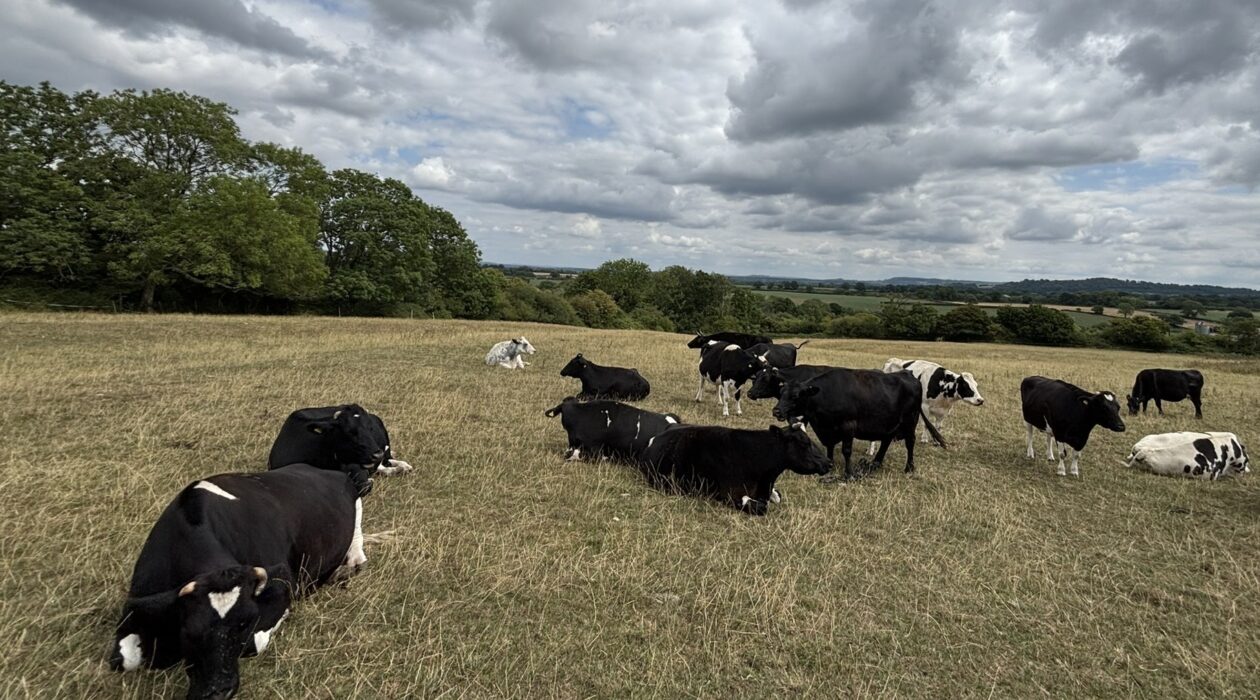
Liberty Dairy runs a micro-dairy and beef business on a small family farm at Halstock on the Dorset Somerset border. The farm has been run on organic principles since 1999, in order to support biodiversity and build the health of the soil. Cows live out in the field most of the year and stay with and nurture their own calves.
The Farm currently milks 30 cows daily (150 to 200 litres of milk a day) and doorstep delivers to 200 households (using an electric vehicle). They also supply local farm shops and campsites with milk and cream. Because of fluctuations in demand, the business often has surplus milk, which could be turned into ice cream, rather than be used for animal feed.
The lease on a building within a 2.4 ha orchard at Liberty Farm recently ended with the tenant moving to other food ventures, so the applicant wished to take the opportunity to refresh and repurpose this part of the holding, to reinvigorate a community education offer, install facilities for making ice cream, enhance hedgerows and add in-field trees across the wider farm.
FiPL grant awarded: £ 7,265
Other sources of funding: applicant’s own funds
The objective of this project was to meet the People theme by converting an existing neglected orchard and food processing site into a mini centre for farm and nature engagement including refurbishing existing toilet facilities, while developing a community space for learning, workshops and delivering events. Also to meet the Nature and Climate themes via improving the landscape through hedgerow gapping up, planting trees for biodiversity, livestock shading and drought management purposes. And it met the Place objective of supporting nature-friendly farming businesses, thorough diversification into production of ice cream to utilise surplus milk.
The tree planting and hedgeworks have allowed for better connectivity and enhanced biodiversity on the farm. Using historic species has helped to recover a lost habitat and reinstate an iconic feature of the landscape – the abundance of elm.
The upgraded educational facilities have increased opportunities for more diverse audiences to explore, enjoy and understand the landscape, and the applicant feels more confident after the CEVAS training.
The wassailing event was enjoyed by local community members and was very successful for raising awareness of the launch of the community education space. The event rekindled partnerships in the community and allowed the hosts to gauge interest levels for future programmes.
Utilising excess milk to produce icecream has helped the farm diversify and therefore become more sustainable to operate. The icecream is sold directly to customers and contributes to reducing waste. Every litre of each day’s fluctuating output can be processed or stored for processing safely, increasing efficiency of a nature friendly farming business.
Inviting people to workshops and the wassailing event, alongside a call for volunteers to help with the tree / hedge planting seemed to work particularly well, galvanising a local interest in the new venture at the farm. Working alongside the community has provided a space for networking, which has seen a host of people offering skills and experiences that compliments the work at Liberty Farm.
Participant engagement could have been better if the advertising had been published further in advance and included more detail of what each event entailed. Providing reminders and follow up messages to all participants worked well as it showed a level of commitment from the organisers.
“We were on the point of cancelling (the icecream processing idea) at several points last year. However, the grant to convert the old dairy and reclaim this area of the farm has now given us an optimal place for processing icecream.”
“People coming to all events have got very enthusiastic about how to help support the survival of the ethical dairy (calf at foot and pasture fed cows), but also how to build this into ways of bringing people together at the farm… and help us develop some kind of social enterprise around the icecream”
Quotes from applicant