Outstanding and unique landforms
Gentle walks along the sea front or follow the South West Coast Path National Trail for a longer stretch to Durdle Door and appreciation of the complex geology of the Jurassic Coast.
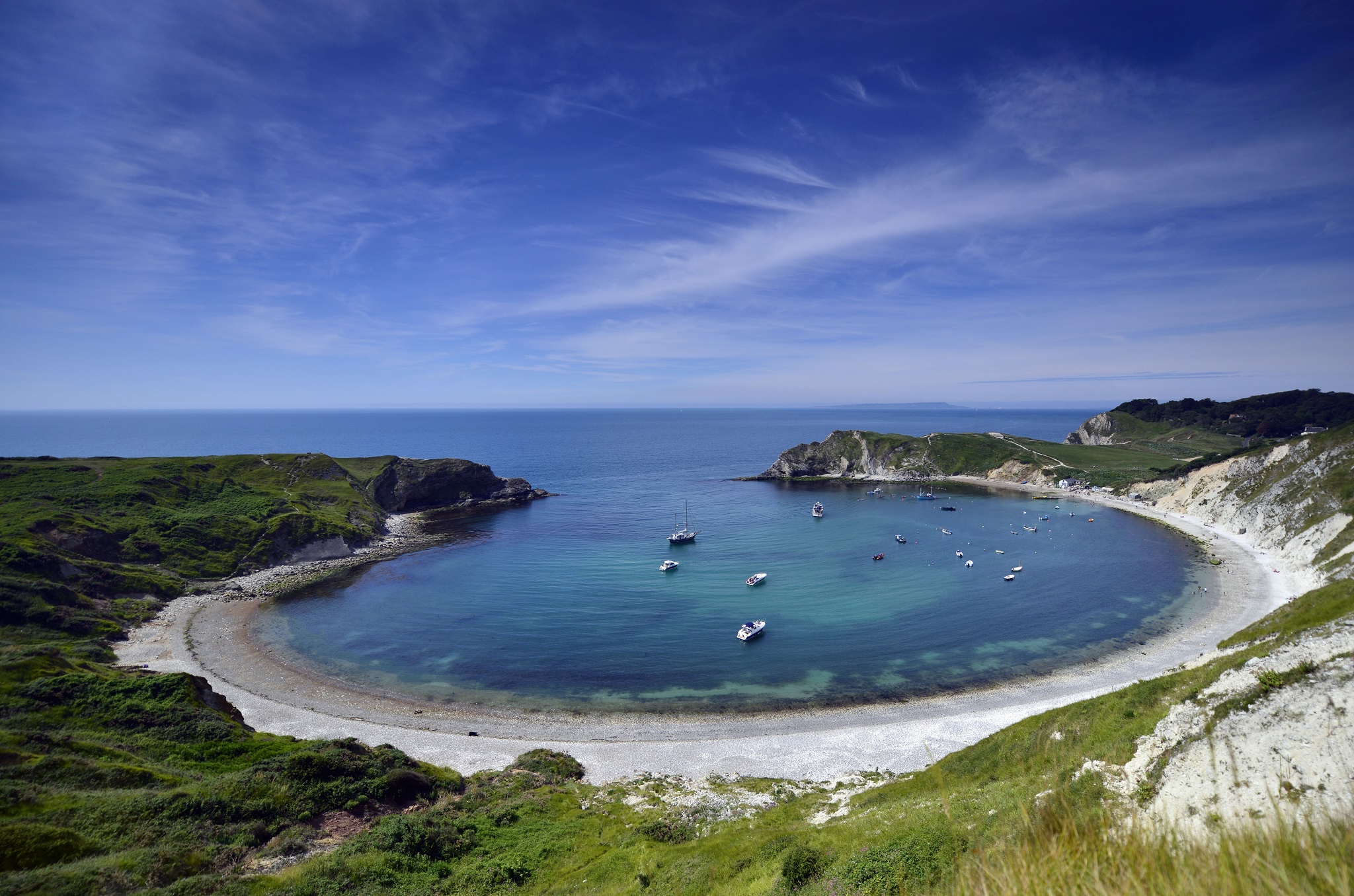
Gentle walks along the sea front or follow the South West Coast Path National Trail for a longer stretch to Durdle Door and appreciation of the complex geology of the Jurassic Coast.
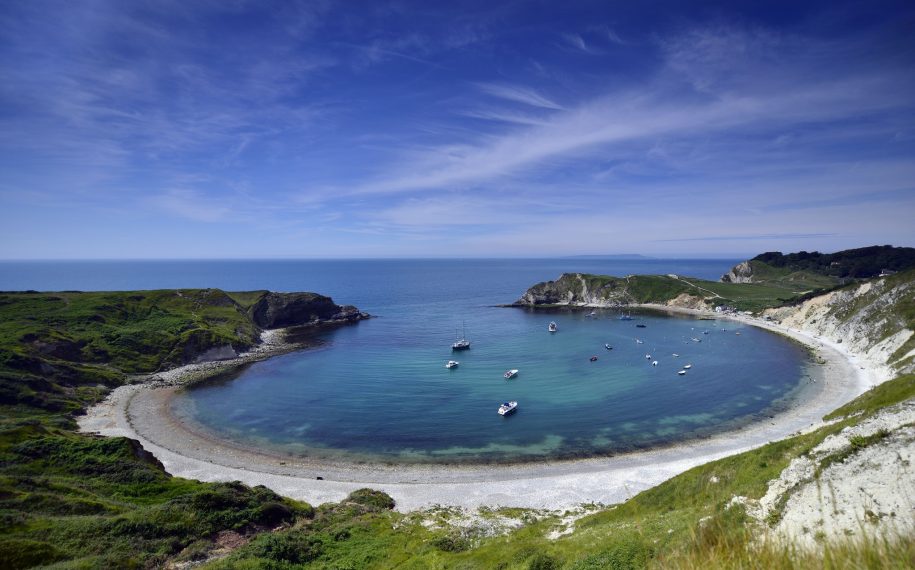
Lulworth Cove and Durdle Door sit on one of the most eye-catching stretches of Dorset’s Jurassic Coast. Lulworth Cove is a near-perfect circular bay with calm, sheltered water and a shingle beach, making it a great spot for a gentle paddle, an ice cream and a short stroll.
From Lulworth, a steep but rewarding path takes you over the cliffs to Durdle Door, where a natural stone arch rises out of the sea and the views go on for miles. It’s a place with big coastal scenery, memorable photos and walks that can be as short or as energetic as you want them to be.
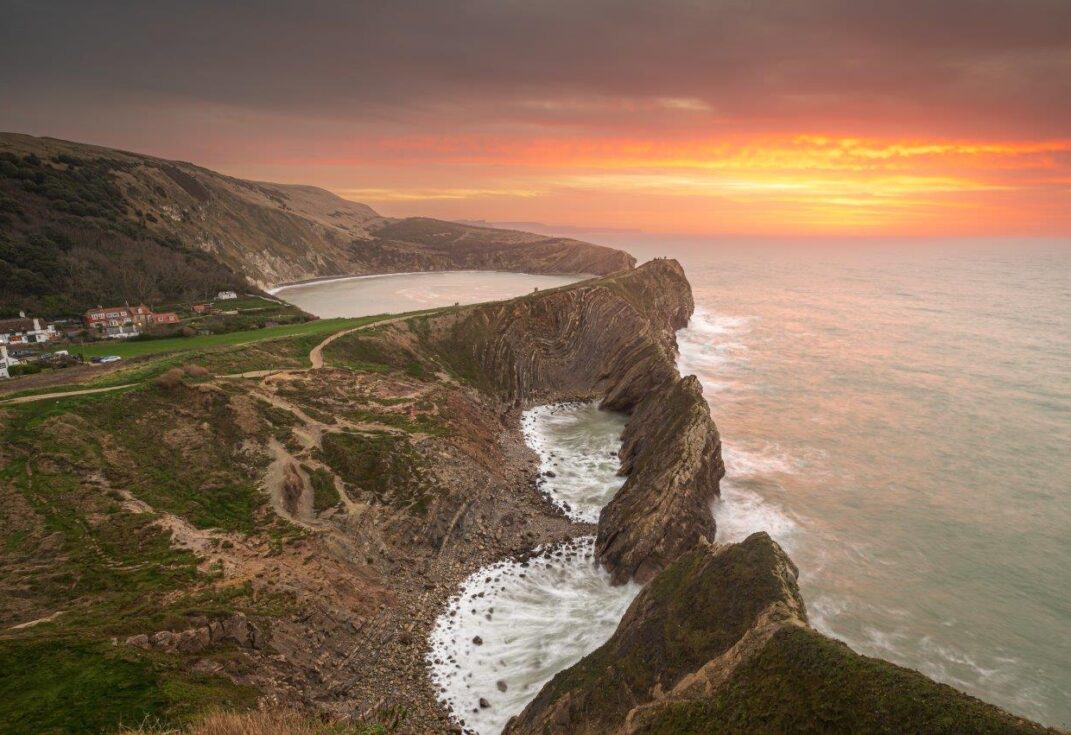
Lulworth is considered one of the best places in the world to study geology with its amazing landforms and five types of rock. It is worth visiting the Visitor Centre for an appreciation of the outstanding and unique geology here, which can be seen first hand at Lulworth and Durdle Door.
From the Visitor Centre you can take a short walk to Lulworth Crumple and Stair Hole to see the unique and complex geology for yourself.
Or relax and enjoy the white pebble beach of Lulworth Cove – its blue waters and easy access make it a popular destination. Low tide reveals wonderful rock pools teeming with sea creatures.
If you’re feeling energetic, you can head west from Lulworth car park and follow the natural footpath (stout footwear needed) to the iconic Durdle Door. or head east to explore the lesser-known Fossil Forest (scroll down for more information).
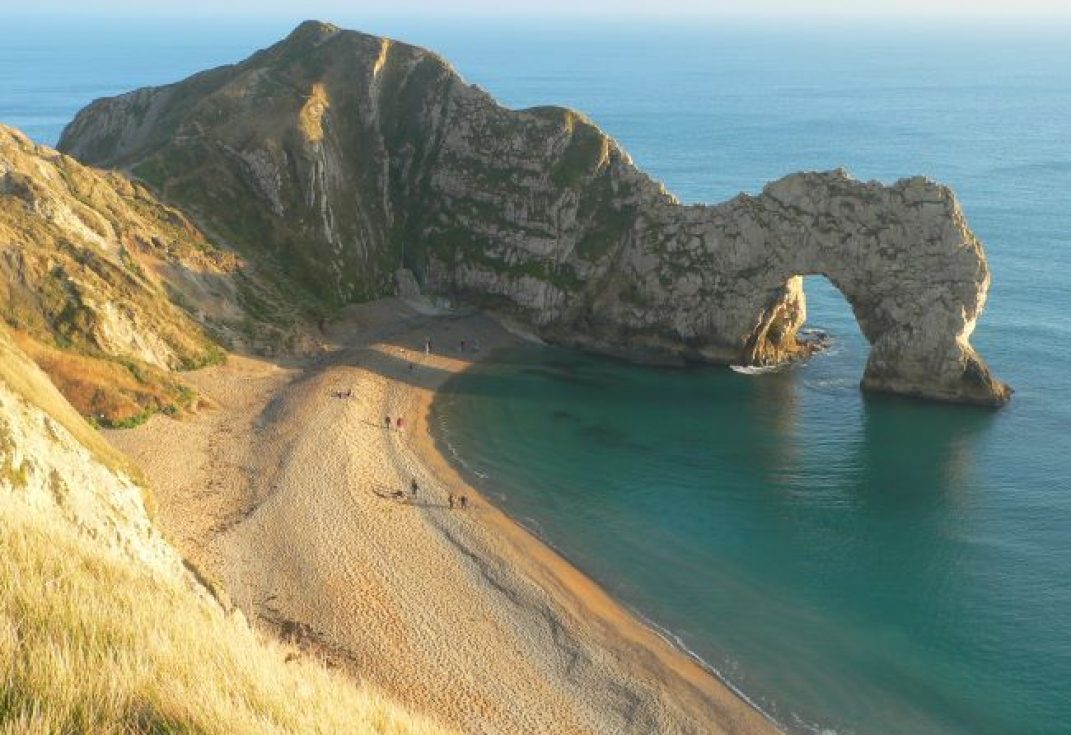
Durdle Door is probably the most famous stone arch anywhere in the world. It was created when the sea pierced through the Portland limestone around 10,000 years ago. Looking west over the beach, isolated stacks out at sea show where an older coastline once lay. This part of the coast is formed from merged bays and shows how Lulworth Cove and Stair Hole may look in several thousand years time.
By following the natural cliff path down to Durdle Door beach, or the steps to Man O’War beach, the tilted Purbeck Beds are clearly visible. At the base of the chalk cliffs a number of caves can be seen which have been carved out by the sea (wave cut notches). Please do not enter them as cliff falls are common. An interpretation panel at the top of the steps helps to explain the site.
To get down to the shingle beach at Durdle Door there is a 15 minute walk along a steep downhill path, plus a further 143 steps down onto the beach (trainers or walking boots are definitely needed for this walk!). You can watch this 1 minute video showing what the route is like and how far away it is from the car park and facilities.
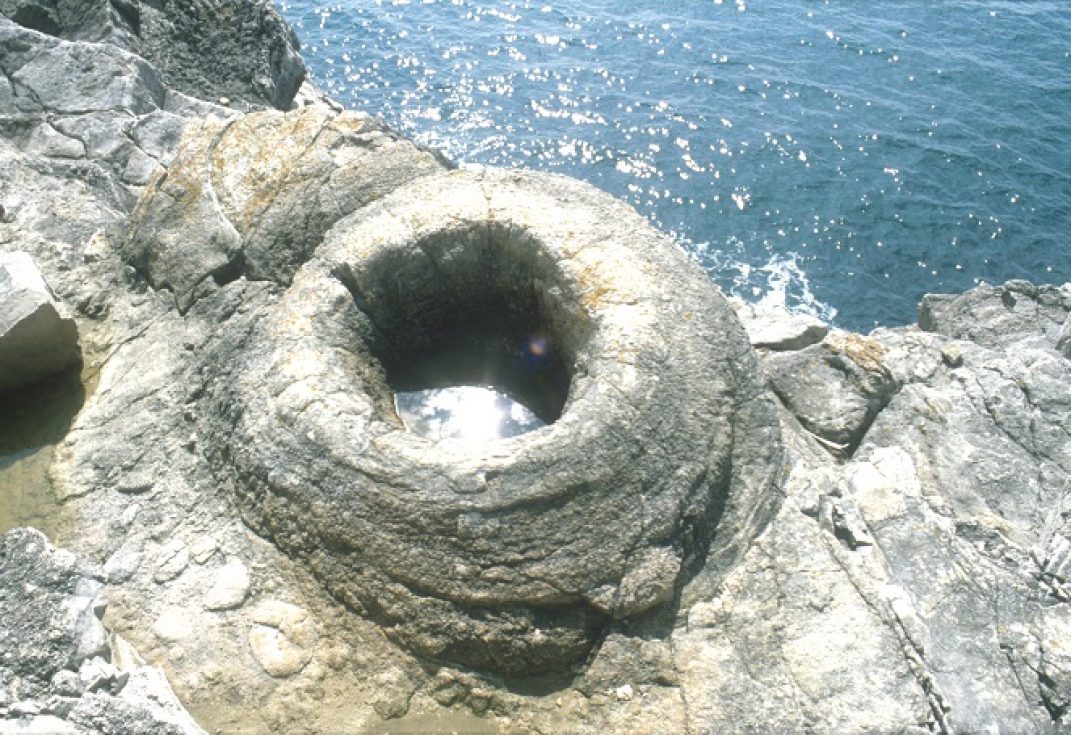
To the east of Lulworth explore the Fossil Forest. The 145 million-year-old ‘forest’ is a key part of the Jurassic Coast’s ‘walk through time’ story. Although no actual trees can be seen, round shapes known as ‘algal burrs’ are clearly visible; these would have surrounded the base of the tree trunks. It is thought that Victorian collectors may have removed the trees for decorative purposes, but no-one is really sure! Beware there are 97 steep steps down …. and back up!
This globally important site is located within the Lulworth Ranges. As with the rest of the Ranges, the Fossil Forest is open most weekends and school holidays but always check before visiting. https://www.gov.uk/government/publications/lulworth-firing-notice
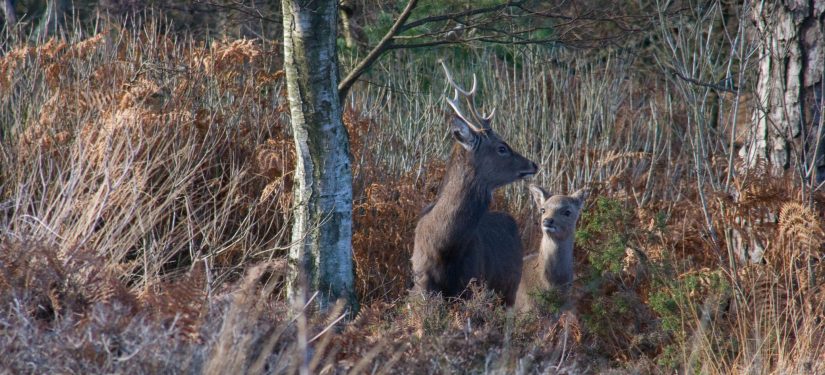
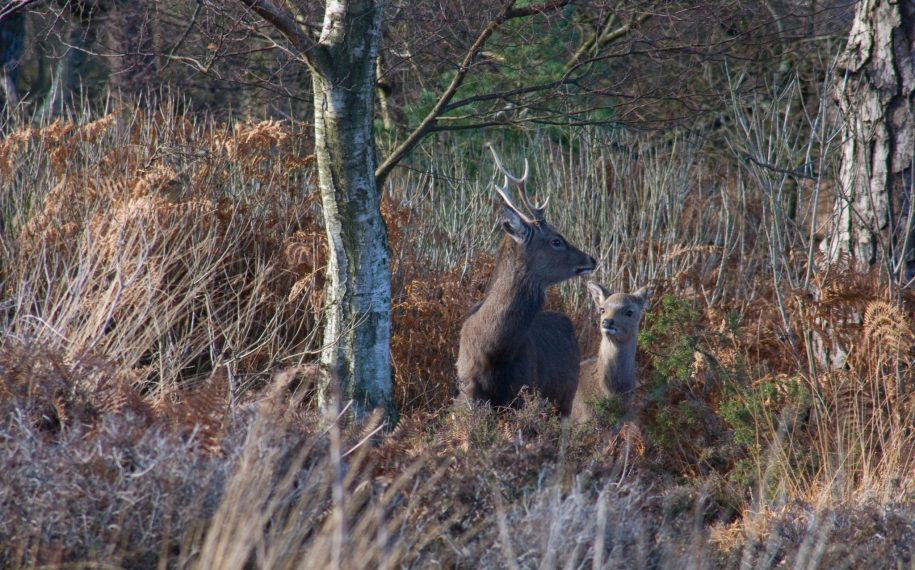
Good chance of seeing deer, Walks, Wildlife

Brilliant for wildlife, Good for walking & families
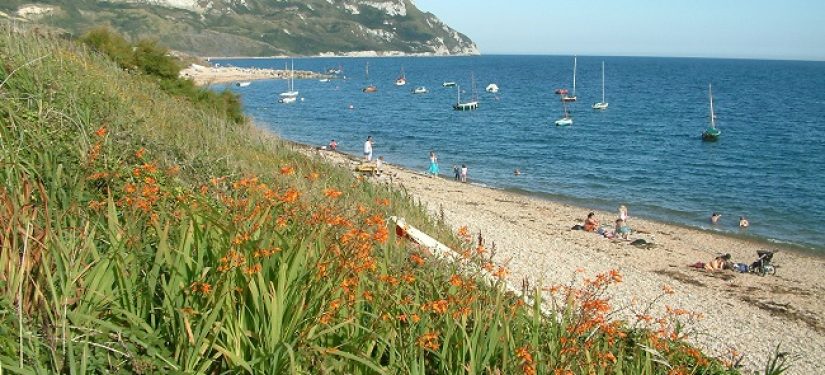
Walking, swimming and views
Escape the crowds at this quiet shingle beach on the Jurassic Coast.