Health and Safety: Making your trip safe and enjoyable

Health and safety matters for everyone — whether you’re leading a group or just heading out with friends and family. It’s not about stopping the fun, it’s about making sure everyone can enjoy the day safely and comfortably.

This section will help you to plan for and respond effectively to health & safety issues. It has a quick overview of key safety considerations, a risk assessment template, and useful links to equipment and advice to help you prepare confidently.
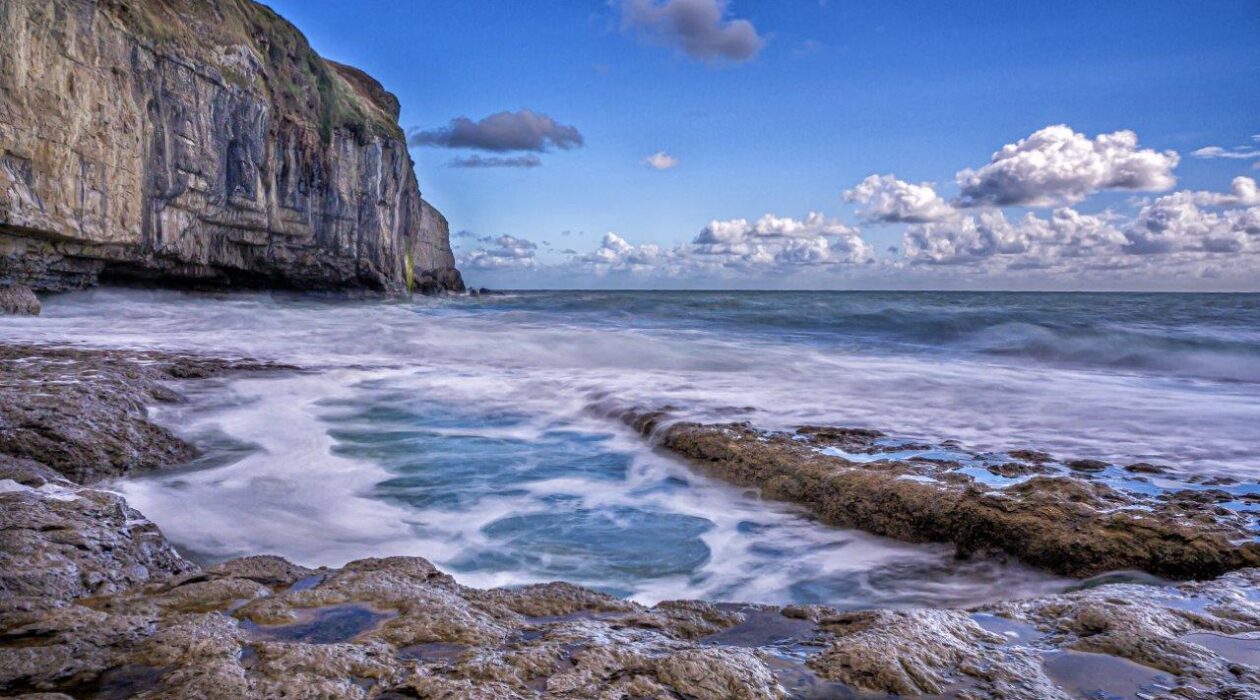

Rough sea swirling into low lying rocks under a tall cliff on a bright sunny day
© Nigel Gidney

Plan head to stay safe

Doing a site visit before your trip helps you spot any risks. If you can, go again a few days before the trip — nature and weather can change things quickly!

Do a risk assessment when you visit the site. A risk assessment helps you think through what could go wrong and how to prevent it. You don’t need to be an expert — just use common sense. It’s even better if you do it with someone else from your group to get different perspectives. You need to think about the place you’re visiting, the people in your group, the equipment you’ll need and he activities you’re planning.

  • You can find simple advice and videos on the Wildlife Trusts website
  • You can download a model risk assessment (Word doc) to help you get started.
  • The online Resource Centre  has simple, practical advice for voluntary groups.

Here are some of the countryside related things you will want to consider:

  • Plan what to do in bad weather — rain, heat, cold, or high winds
  • Book a room for shelter if possible
  • Decide early if you need to cancel — very last-minute changes can be tricky
  • Ask people to bring water and the right clothes if it will be unusually hot, cold or wet
  • High winds can be risky for travel as well as on site, particularly in woods or on cliff tops

When out in the countryside you will probably be walking on rough ground and will encounter steep slopes.

Make sure that when you are planning your trip you:

  • Choose the best walking route for your group
  • Ask people to wear shoes or boots with grips
  • Walking sticks can help on uneven ground

Ticks are small insects that live in long grass and woodland. They can sometimes carry diseases like Lyme disease.

To avoid any problems ask people to:

  • Wear closed shoes (like trainers) and cover their legs
  • Sit on picnic mats, not grass
  • Use insect repellent
  • Tell everyone to check for ticks when they get home

If you would like more information or advice download the tick awareness leaflet or visit:

Serious stings are rare in the UK, but before you set off you should be sure you:

  • Know what to do
  • Check if anyone has allergies and make sure they bring their medication
  • Watch out for nettles and warn people not to touch them

The NHS website has advice on what to do if someone gets stung.

  • Think about food, water, toilets, and shelter
  • Tell people clearly what to bring and why they will need them
  • Bring spares of hats, coats & water bottles in case someone forgets
×