Chapter 7.3. Planning for Landscape Quality
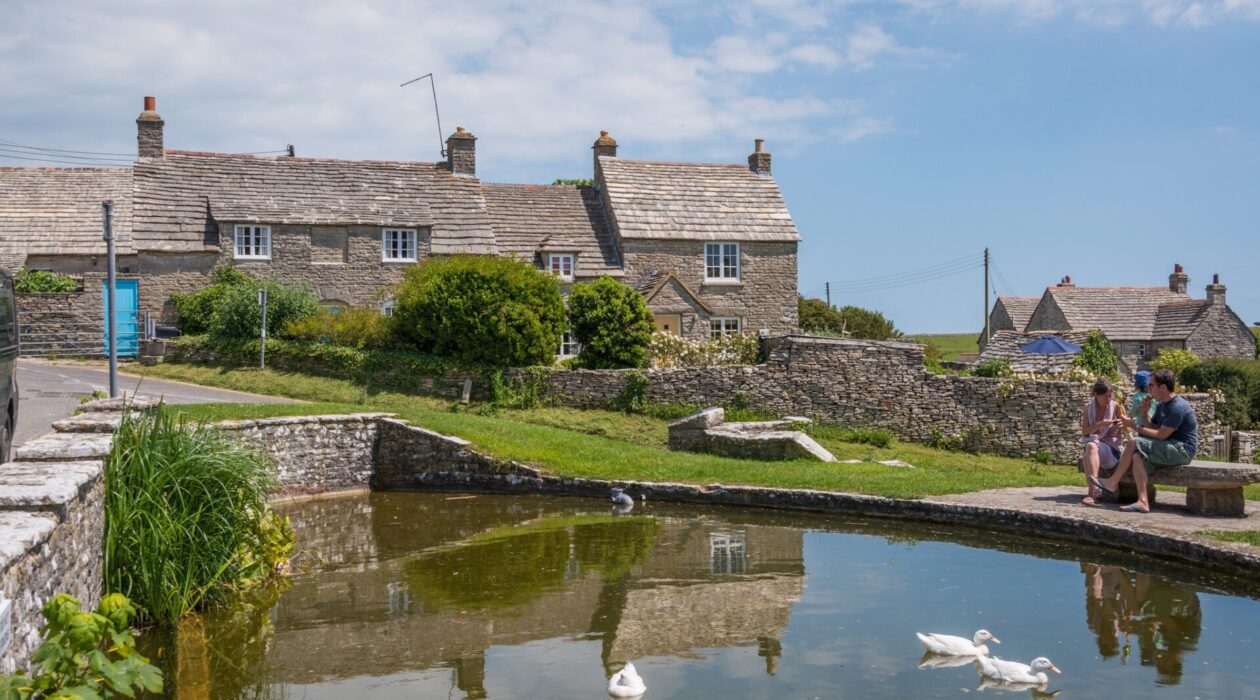
There is an obligation for all relevant authorities to seek to conserve and enhance the natural beauty of Dorset National Landscape. To fulfil this, the national importance of the landscape needs to be recognised and reinforced, thereby ensuring that changes within it and its setting achieve the highest standards of sustainability, design and quality.
Development affecting the National Landscape should be compatible with the character and appearance of the designated area and we should also aim to achieve landscape gain from development, wherever possible. This chapter contains objectives and policies that support sustainable development that conserves and enhances the natural beauty and special qualities of the National Landscape, while minimising impacts to natural processes and ecosystem flows. The National Planning Policy Framework confirms that the overall purpose of planning is to help achieve sustainable development. The Framework states that great weight should be given to conserving and enhancing lthe beauty of National Landscapes, also recognising that the scale and extent of development within the designated area should be limited and that development in the setting should be carefully sited and designed.
The National Landscape is a living and constantly evolving landscape, the result of human interaction with the natural environment. Sensitively sited and designed development can make a positive contribution to the area, not only in the way it appears in the landscape but also in how it contributes to sustaining local communities and the landscape itself. However, inappropriate development is one of the greatest threats to the National Landscape, if its scale, siting and design are unsympathetic and results in negative impacts upon landscape character, landscape functions, and the ability of residents and visitors to enjoy the landscape.
Most planning decisions in the National Landscape are made by a local planning authority which, under the Countryside and Rights of Way Act 2000, have a statutory duty to seek to further the purpose of the designation (to conserve and enhance natural beauty) when discharging this and other functions. As the Government’s statutory advisor on landscape, Natural England may provide advice on landscape matters, particularly in response to larger proposals. The National Landscape Team also provides landscape advice through an agreed planning protocol.
The physical and perceptual characteristics of a landscape are what makes a place. The National Landscape is valued for its special qualities, which include its undeveloped rural character, exceptional undeveloped coastline, tranquillity and dark night skies. Such landscape attributes need to be maintained for the future, and this is best achieved through development that respects the pattern and character of the places in which it is located.
When development impacts upon wildlife, the planning system must ensure that these effects are dealt with appropriately, including through avoidance, mitigation and compensation. Ranging from locally important features to internationally significant sites, all habitats within the National Landscape contribute to the area’s natural beauty. Avoiding harm and securing mitigation and enhancement measures that are appropriate to site specific considerations and in keeping with landscape character is important within landscape planning.
The National Landscape contains highly important natural and manmade landscape features that tell us about the past, including our natural history and civilization. Planning has the potential to both safeguard historical assets and reveal their significance. The ongoing appreciation of these assets relies on their conservation and positive management, as well as measures that improve our interpretation and understanding of them.
Changes to culturally significant landscapes can often evoke deep feelings from those who value them. The planning system and cultural institutions have a key role to play in delivering sensitive change in areas with strong cultural identities, by safeguarding assets and better revealing their significance. This can extend to conserving and enhancing both undeveloped rural landscapes and built environments that contribute to cultural heritage.
Local Planning, Highway and Flood Authorities, Statutory Undertakers, Natural England, Environment Agency, Marine Management Organisation, Town and Parish Councils, Community Partnerships and Neighbourhood Planning groups.
Planning and development processes should seek to conserve and enhance the Dorset National Landscape, ensuring its setting and special qualities are protected for present and future generations. Sensitive siting, high-quality design, and robust management underpin all development, with major proposals subject to rigorous assessment and a strong presumption in favour of conserving and enhancing landscape character. Planning should recognise the character and beauty of the National Landscape, as well as the wider benefits from natural capital and ecosystem services. The benefits of assets such as best and most versatile agricultural land, trees, woodland and other habitats should be conserved and enhanced.
Robust landscape assessment and ongoing monitoring underpin sound planning decisions, ensuring proposals conserve and enhance the National Landscape’s character and scenic beauty. Evidence-based decision-making and regular monitoring guide adaptive management and continuous improvement.
Essential development that meets community or societal needs and supports the local economy is enabled, provided it is compatible with conserving and enhancing the National Landscape. Such development should be well designed and located, in response to local character and development patterns. Appropriate scale, form, mass and materials will be required. Regard is given to the needs of agriculture, forestry, other rural industries and the economic and social needs of local communities. Sustainable forms of social and economic development that in themselves conserve and enhance the environment are encouraged.
Development that harms the natural beauty, tranquillity, or special qualities of the National Landscape is avoided. Landscape character, biodiversity, dark night skies, and local distinctiveness are protected from inappropriate or excessive development. Where the setting of the Dorset and East Devon Coast WHS overlaps within Dorset National Landscape, protect the presentation and visitor experience of the Site.