Farming in Protected Landscapes programme

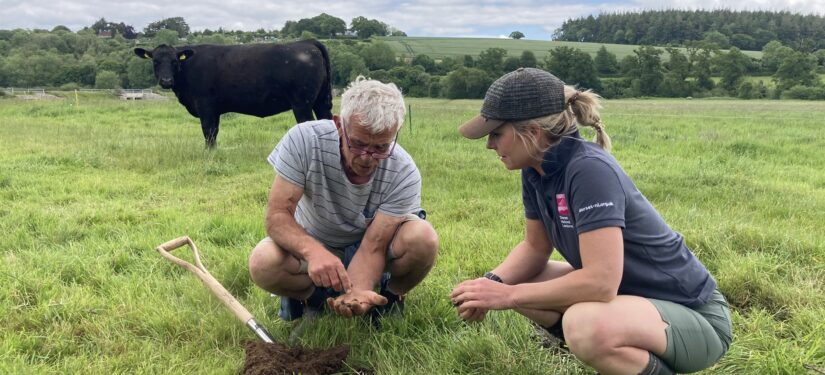
The programme provides funding to farmers and land managers (and others working with them) for projects that support nature recovery, mitigate the impacts of climate change, provide opportunities for people to engage with the landscape and cultural heritage, or support nature-friendly, sustainable farm businesses.
About the Programme

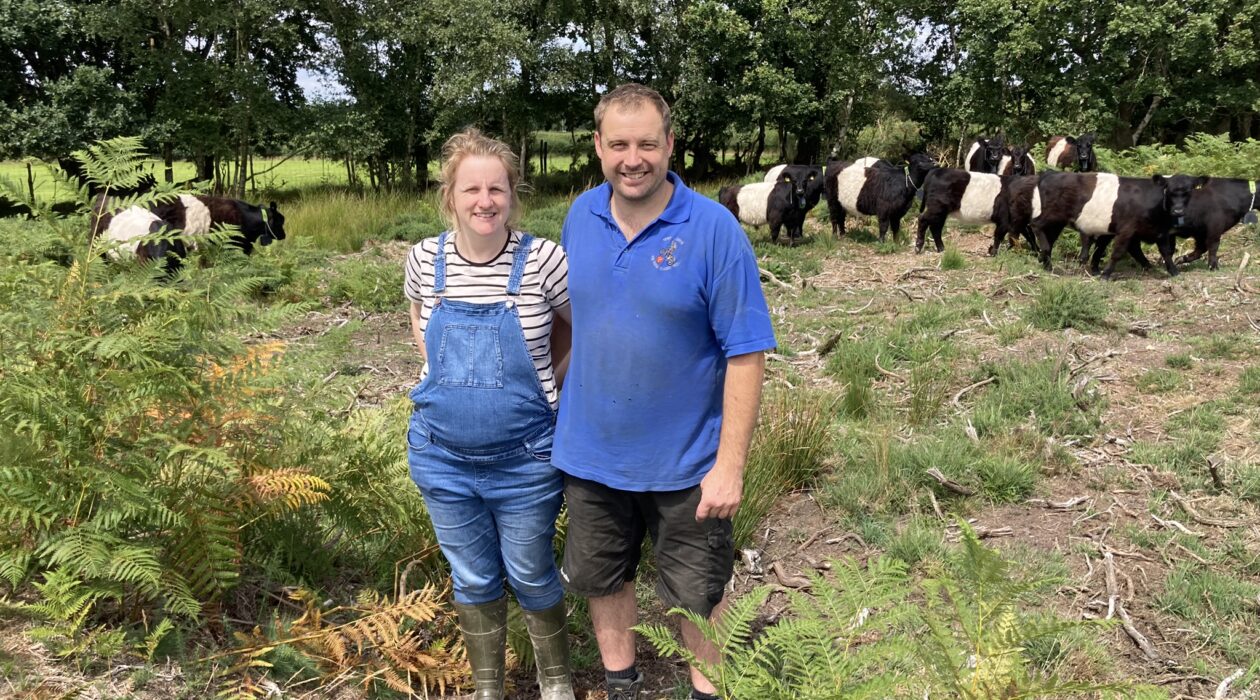
Protected Landscapes – our 13 National Parks and 46 National Landscapes – are special and unique places. They are living, working landscapes that also support a huge range of habitats and species, and they are enjoyed by millions of people every year. By supporting the farmers, land managers and people who live and work in these areas, we can help protect these exceptional places and support local communities.

The Farming in Protected Landscapes (FiPL) programme is part of Defra’s Agricultural Transition Plan and was developed by Defra with the support of a group of National Landscape and National Park staff from across the country. It was launched in June 2021 and has been running ever since. It has been well received by the farming community and government alike for its value for money, friendly approach, and local knowledge.

Scroll down the page to read about the ideas and aims for the ongoing programme, or if you know what you are looking for use the links below.

£3 million of FiPL funding has supported 220 climate, nature, people and place projects since 2021

Contact us

If you have a question about the Farming in Protected Landscapes programme or want to talk through a potential project, please get in touch:

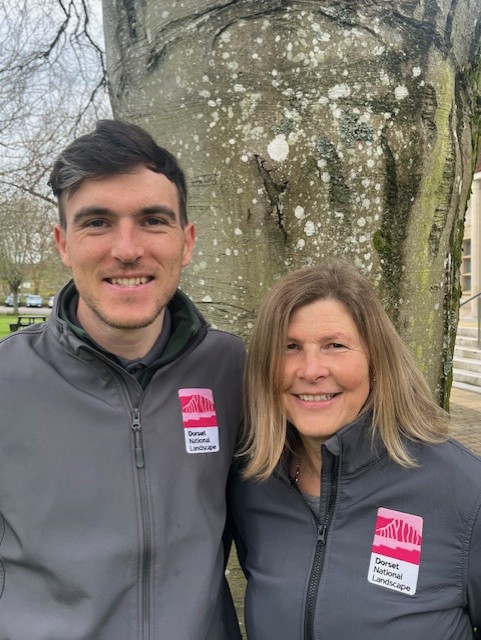
Rachel Janes

Farming in Protected Landscapes Officer

Rachel.Janes@dorsetcouncil.gov.uk

Ben Mogg

Farming in Protected Landscapes Support Officer

Ben.Mogg@dorsetcouncil.gov.uk

Looking ahead - Priorities in Dorset for 2026/27

FiPL has been extended to the end of 31 March 2029. It is open for new applications from 1st April 2026, and this year priority in Dorset National Landscape will be given to impactful projects that:

  • Shift land management towards regenerative, low carbon, nature-friendly farming while maintaining food production and viable farm businesses
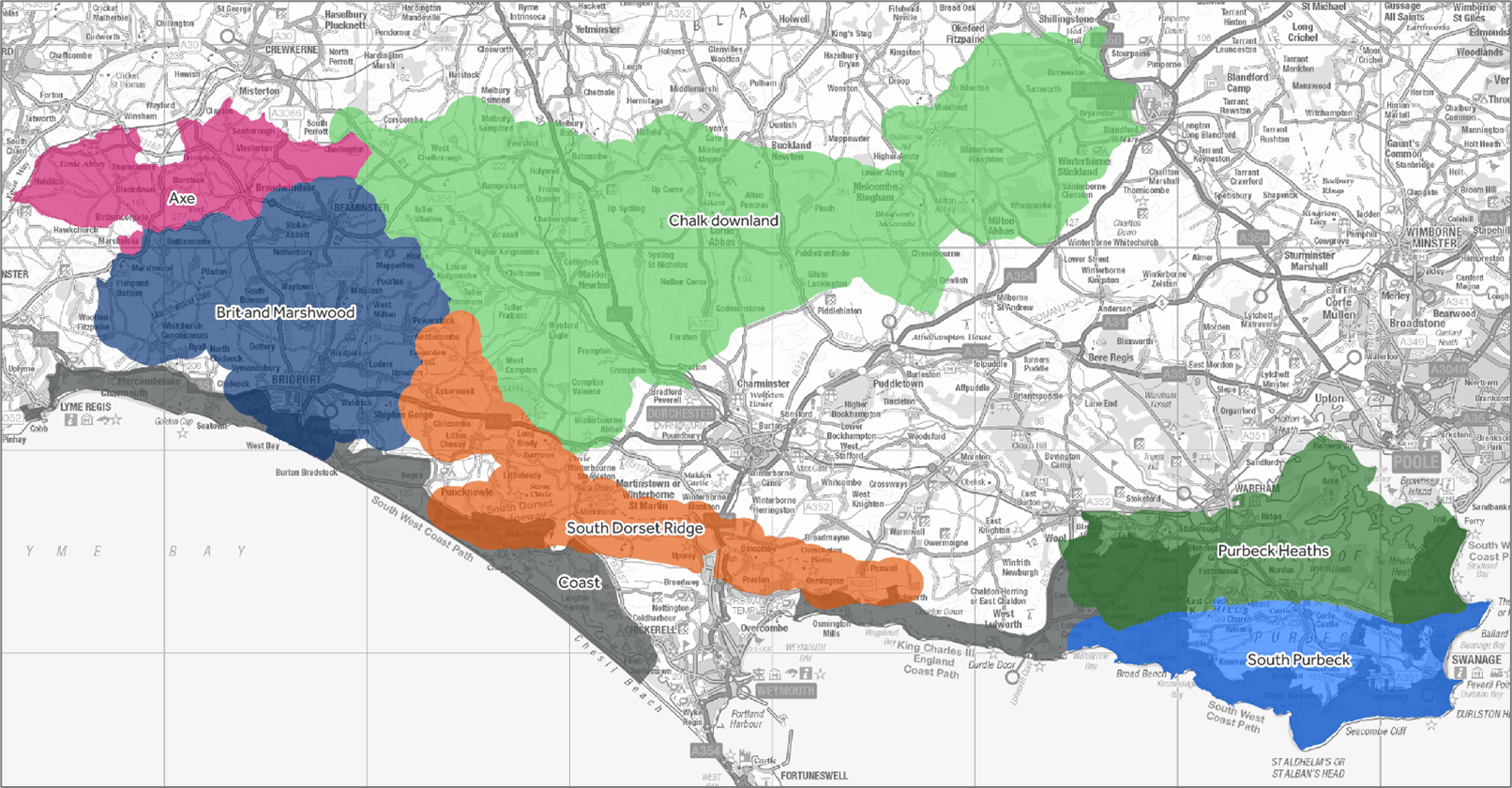
  • Deliver nature recovery and habitat connectivity at landscape scale, especially in agreed priority geographic areas: Marshwood Vale and Brit Valley, Axe Valley, chalk downland areas, South Dorset Ridgeway, South Purbeck, Purbeck heaths, and the coast (see the map below)
  • Embed climate adaptation and nature-based solutions, for example floodplain reconnection and natural flood management, peat and fen restoration, wetlands, hedges and shelterbelts, agroforestry and woodland creation or better woodland management
  • Strengthen rural inclusion, skills and new entrants, including work with Dorset Council County Farms and community or community-led partners
  • Demonstrate practice change and influence beyond the farm gate through clear monitoring, case studies, demonstration events and peer to peer learning.
×