“I, Deer” - Research & Development

Emerald Ant: Protecting Powerstock Hills Through Creativity

Emerald Ant engaged local schools and families in nature-inspired art and wildlife activities to build pride, belonging, and a shared commitment to care for the Powerstock Hills.

Through hands-on experiences and community consultation, the project connected people with their landscape and inspired future stewardship.

Overview

This project was awarded Sustainable Development Fund support in 2024-25 to help deliver our Management Plan objectives B1a – to support and develop activities that increase health and wellbeing by establishing and strengthening connections to the landscape and nature B4e – to promote and support the celebration and conservation of local distinctiveness.

  • DNL grant awarded: £3300
  • Other sources of funding:
  • Voluntary time from colleagues for community consultation:
  • £20 per hour × 2 hours = £40 per person per night
  • 3 people = £120 per session
  • 2 sessions = £240 total – (Equivalent to 12 volunteer hours at £20/hour)
  • % of total funding awarded: 73%

Undertake research into environmental challenges in the Powerstock Hills and Brit Valley area.

  • Develop a clear plan for engaging local people—especially children and young people—in meaningful educational and creative activities.
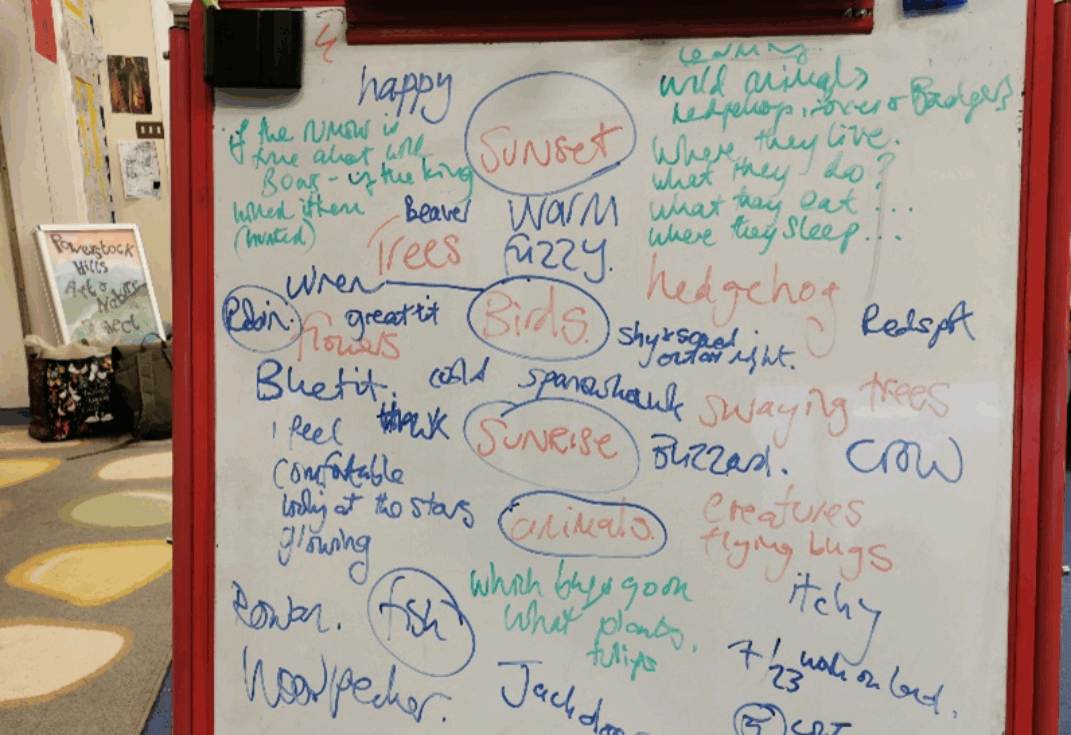
  • Collect feedback from children and adults about their landscape and artistic ideas.
  • Build a network of creatives ready to deliver inspiring workshops, bringing in new artists and writers passionate about the area.
  • Establish partnerships with key environmental organisations, including Dorset Wildlife Trust, National Landscapes, National Trust, and West Dorset Wilding.

Aims

  • To strengthen the case for a creative, community-led environmental project by researching local needs and building momentum behind the proposal.
  • To inspire future generations to enjoy, understand, and protect the Powerstock Hills through education and artistic engagement.
  • To foster pride and connection with the local landscape by gathering community views and creative ideas.

The project successfully achieved its aims and objectives, moving from research and planning to meaningful engagement with local schools and communities. Through workshops and consultations, the team raised awareness of environmental challenges such as river health, flooding, and surge impacts, encouraging families to discuss what they can do to help.

Key Activities:

  • Delivered plant-printing workshops and community consultations with around 92 children.
  • Engaged four schools: Powerstock and Thorners Primary Schools, Colefox School, and Mountjoy School for SEND children.
  • Gathered creative responses and ideas from children, reflecting pride and connection to their local landscape.

One Year 8 student summed up the spirit of the project:
“I like swimming in the sea and looking for owls in the night. I like sitting on the grass and listening to the bees and looking at beetles and flies in the grass. I like walks in the night, looking at the moon and watching fox eyes glowing in the torchlight.”

Performer

The project built strong partnerships with schools, artists, and environmental groups, delivering five creative workshops and engaging 92 young people across four schools and a youth group.

Headteachers praised the project for enriching education and fostering confidence, creativity, and environmental awareness.

Connections with local landowners and conservation organisations have opened doors for future field visits and hands-on learning. A clear learning strategy and a growing pool of artists and experts now position the project for its next phase—bringing communities closer to nature through art and education.

Project Delivery – At a Glance

  • Schools engaged: 4 (Powerstock, Thorners, Colfox, Mountjoy SEND)
  • Youth groups engaged: 1 (Bridport Shed)
  • Children & young people involved: 92
  • Farmers/land managers engaged: 4
  • Volunteers: 3 (29 volunteer hours)
  • Workshops delivered: 5 plant-printing sessions
  • Consultation responses: 42 questionnaires
  • Partnerships: Environmental groups, artists, landowners

Other achievements: Strategic learning document, networking forum attended, strong school support.

Overview- the project successfully met its aims, engaging schools and youth groups in creative workshops that celebrated nature and explored local environmental challenges.

Children expressed pride and connection to their landscape, while schools embraced the project’s multidisciplinary approach. Partnerships with artists, landowners, and conservation groups have laid the groundwork for future activities, ensuring the community continues to connect with and protect the Powerstock Hills.
Extended benefits

The project strengthened local networks by linking with community environmental groups and initiatives, including Broadwindsor Parish Council, Broadwindsor Eco Group, Allington Hillbillies, and the Great Big Dorset Hedge Project, creating opportunities for future collaboration and shared action.

What next

This research and development phase lays the foundation for a larger project planned for 2026–2028.

Next steps include collating consultation feedback, using school and community support statements to strengthen funding bids, and approaching Dorset Council, Dorset Community Foundation, and other funders for initial grants of up to £5,000.

A major application to the will follow to support a full programme of workshops National Lottery Heritage Fund, learning, and village events.

The aim is for some of the creative and celebratory practices developed to be adopted and sustained by local communities for years to come.

Suggestions to others thinking of doing a similar project:

Give yourself plenty of time to connect with schools—and try to make it personal. A friendly introduction goes a long way. They also learned that the Christmas term is a tough time to engage primary schools, so January is a much better window for starting conversations!

×