The Charmouth River Dragon Festival
Lower Char Community Project – A volunteer-led initiative restoring the River Char’s health through clean-ups, education, and creative community events.
Lower Char Community Project – A volunteer-led initiative restoring the River Char’s health through clean-ups, education, and creative community events.
The Lower Char Community Project was formed in January 2022 to improve the health of the River Char and involve the community in protecting water resources. Volunteers tackled issues such as stormwater discharges, plastic and microplastic pollution, poor water quality, and natural flood management.
The group worked closely with Wessex Water, local councils, schools, businesses, and environmental organisations. Activities included river clean-ups, monitoring programs, and specialist microplastic removal with Nurdle.org.
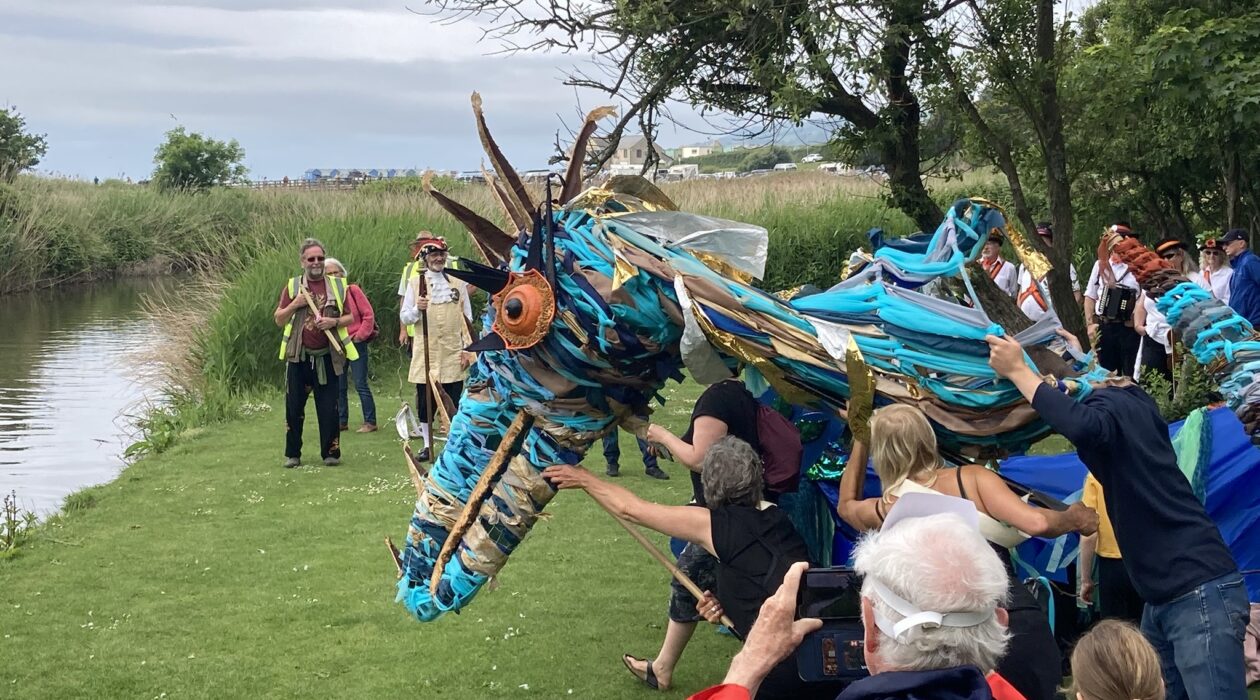
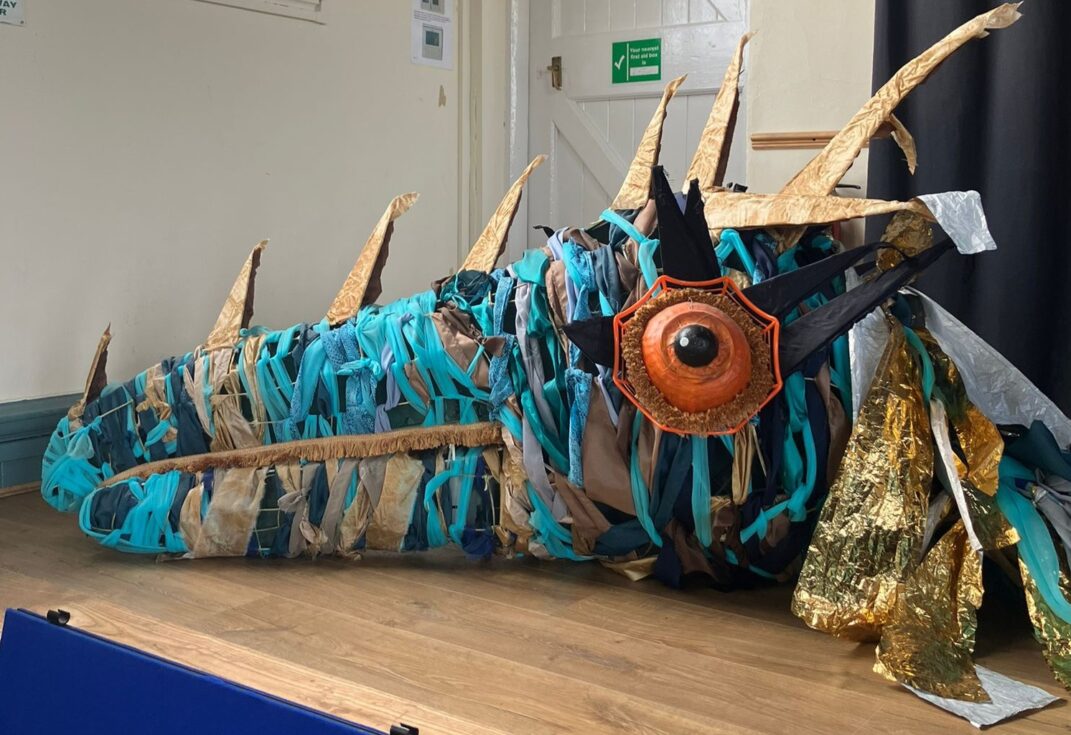
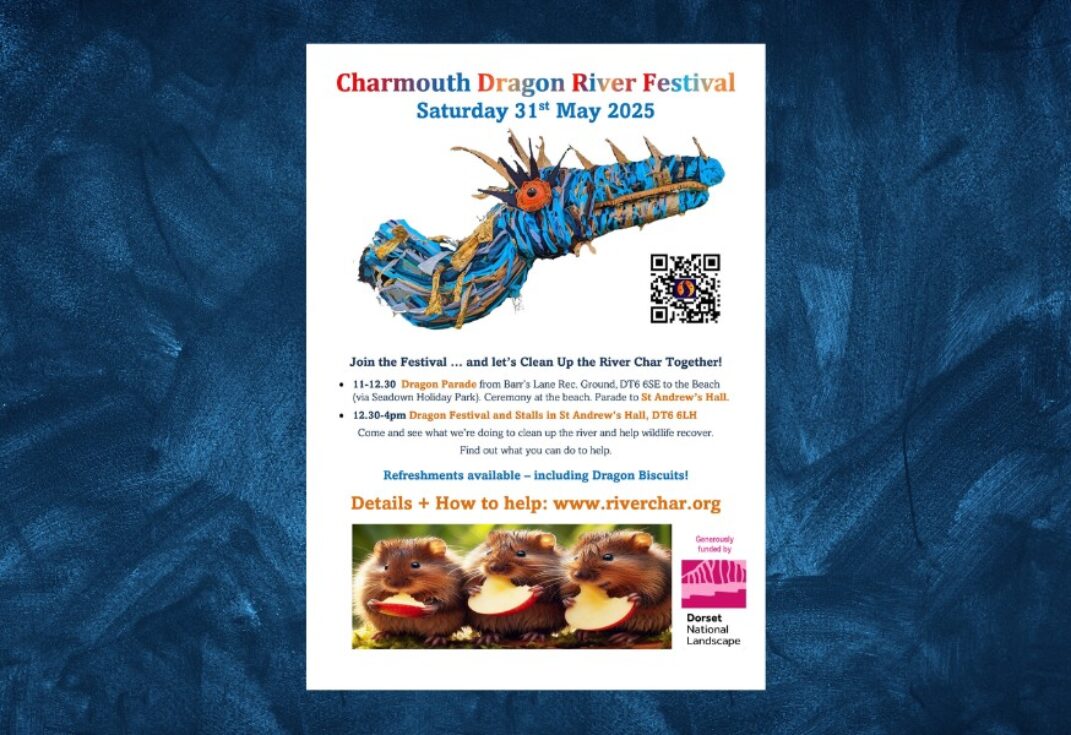
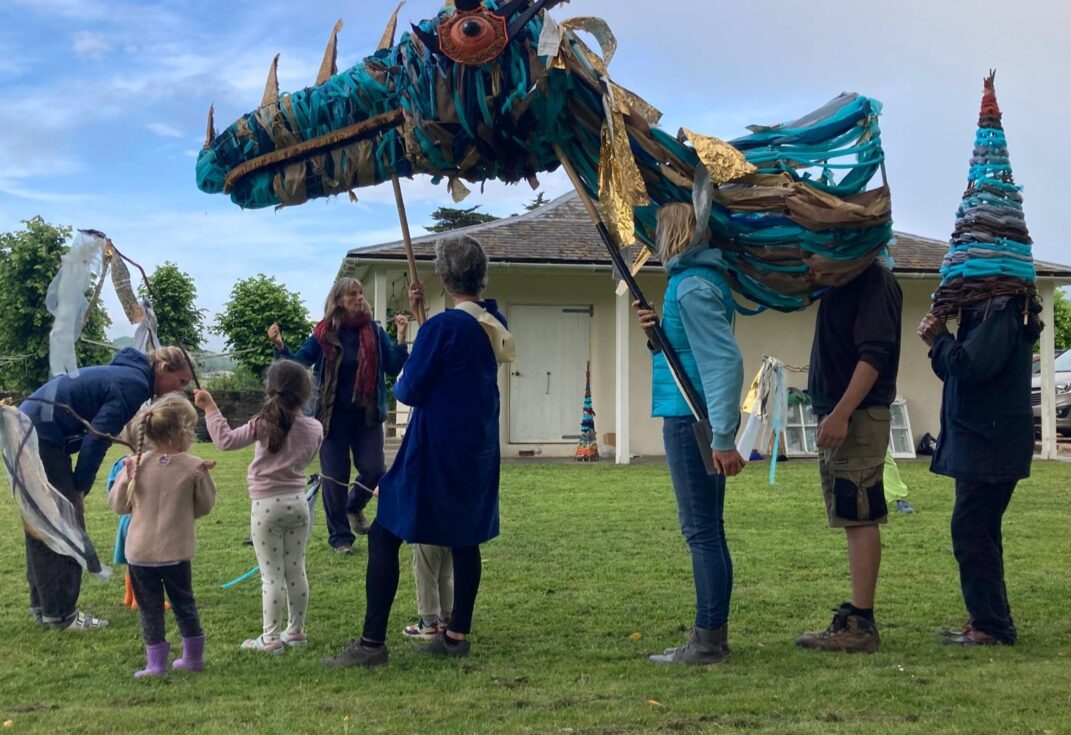
To engage more people, the team organised the River Dragon Festival, combining art, music, and fun with environmental education. Supported by the Dorset National Landscape (DNL) Fund, the project strengthened understanding of the Char Valley and inspired positive action for water conservation and wildlife protection.
This collaboration showed what can be achieved when creativity, commitment, and community spirit come together.
The project set out to deepen community understanding of the Char Valley and its river, while inspiring action to protect wildlife and water quality. It aimed to remove barriers to countryside access, involve young people, and build stronger links between urban and rural communities.
The project aimed to:
Other aims included encouraging underserved groups, especially young people, to connect with the Dorset National Landscape, removing barriers to countryside access, and fostering links between urban and rural communities.
To achieve these aims, the team delivered a mix of science-based activities and creative engagement. This included river walks, talks, and monitoring programs alongside music and art projects.
By blending education with fun, the project tackled pollution, promoted water-saving measures, and built momentum for lasting change.
The project delivered a wide range of activities to engage the community and protect the River Char:
Community Events:
River Monitoring:
Education & Engagement:
Science & Awareness:
Publicity & Festival Prep:
The group successfully delivered its aims through a river walk, film night, and two evening talks, all well-attended. These activities strengthened volunteer networks, raised awareness of pollution, and recruited 15 new river fly monitors.
Additional outcomes included school wildlife programmes, vole raft building, creative art projects, and drafting the River Charter and Declaration of Rights of the River Char.
Social media and publicity improved, and the group rebranded as River Char Action Group (RAG).
The group planned for long-term sustainability beyond the initial project. They prepared to seek future grant funding, including applications to the Wessex Water Fund, request donations from local businesses, and secure continued small-scale support from the Parish Council, which had already agreed to contribute.
In addition, they intended to set up a crowdfunding page to involve the wider community in supporting ongoing river conservation work.
Suggestions to others thinking of doing a similar project:
One of the key lessons from the project was the importance of good record-keeping. Volunteer documents and receipts needed to be completed at each event to keep everything clear and organised. Another takeaway was encouraging volunteers to log all the hours they spent working from home on admin or planning tasks. Capturing these contributions gives a true picture of the effort behind the scenes and helps demonstrate the full value of volunteer support.
local funds