Wraxall Workshops

The Wraxall Workshops provided free and low-cost sessions focused on sustainable and traditional techniques, encouraging creativity, wellbeing, and a connection to nature.

Participants learned new skills, enjoyed outdoor experiences, and engaged in activities that supported mental and physical health while promoting land protection.
Overview

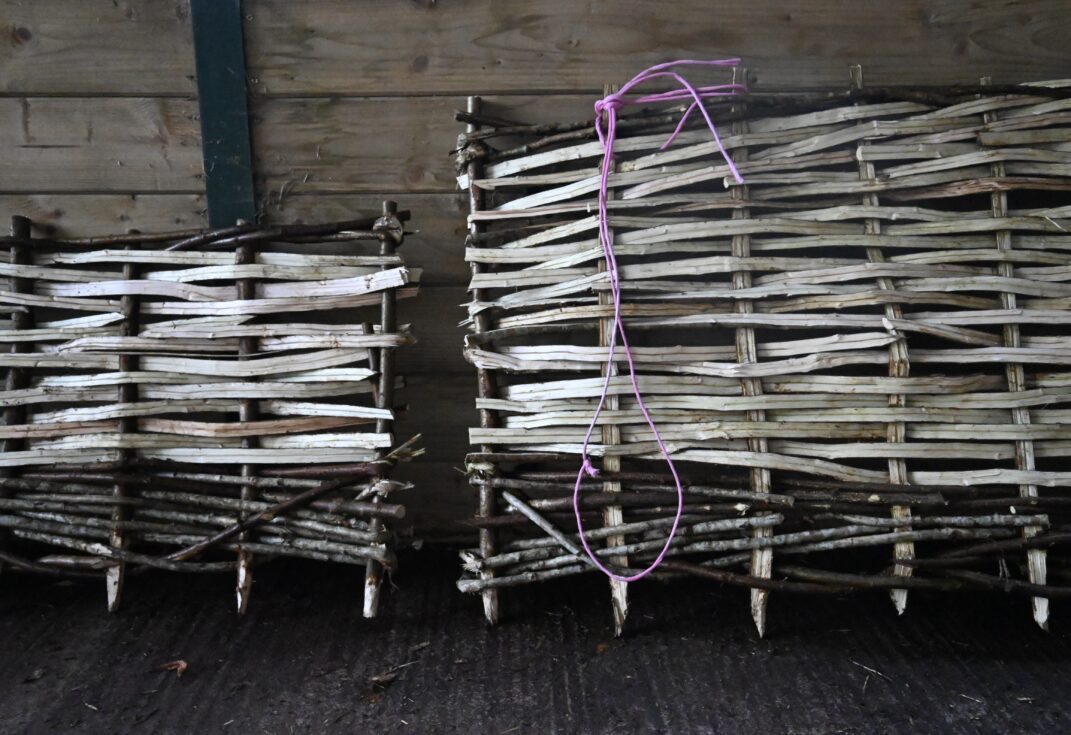
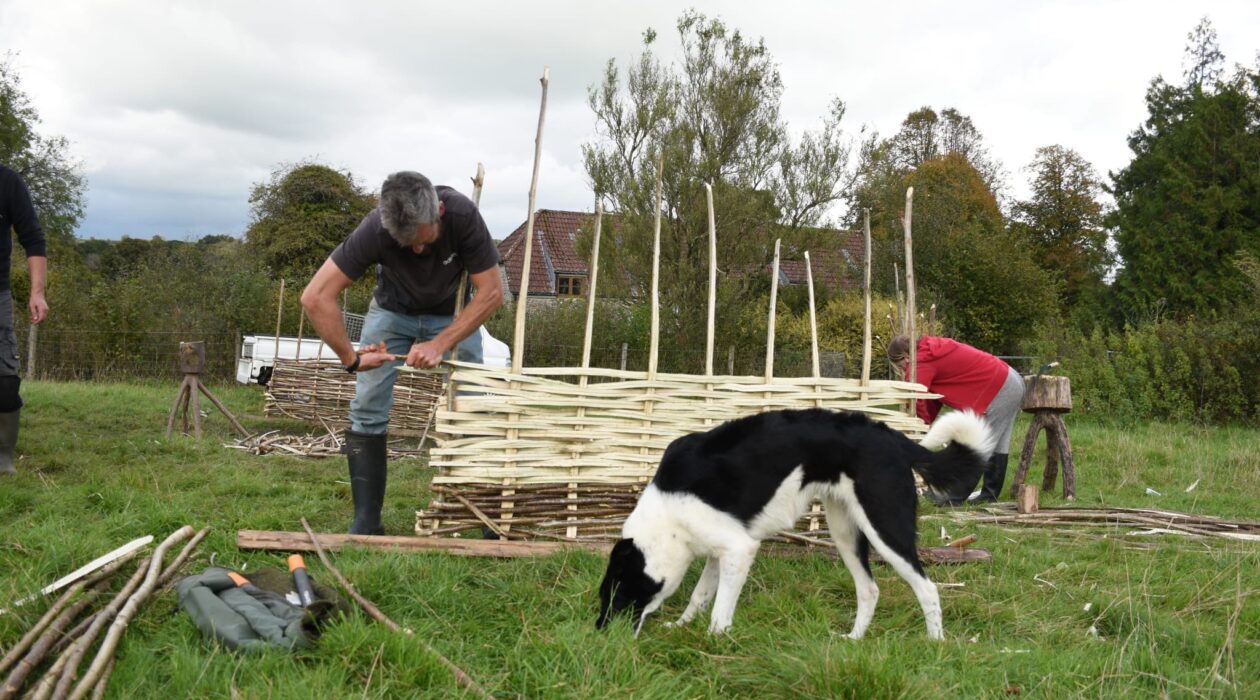
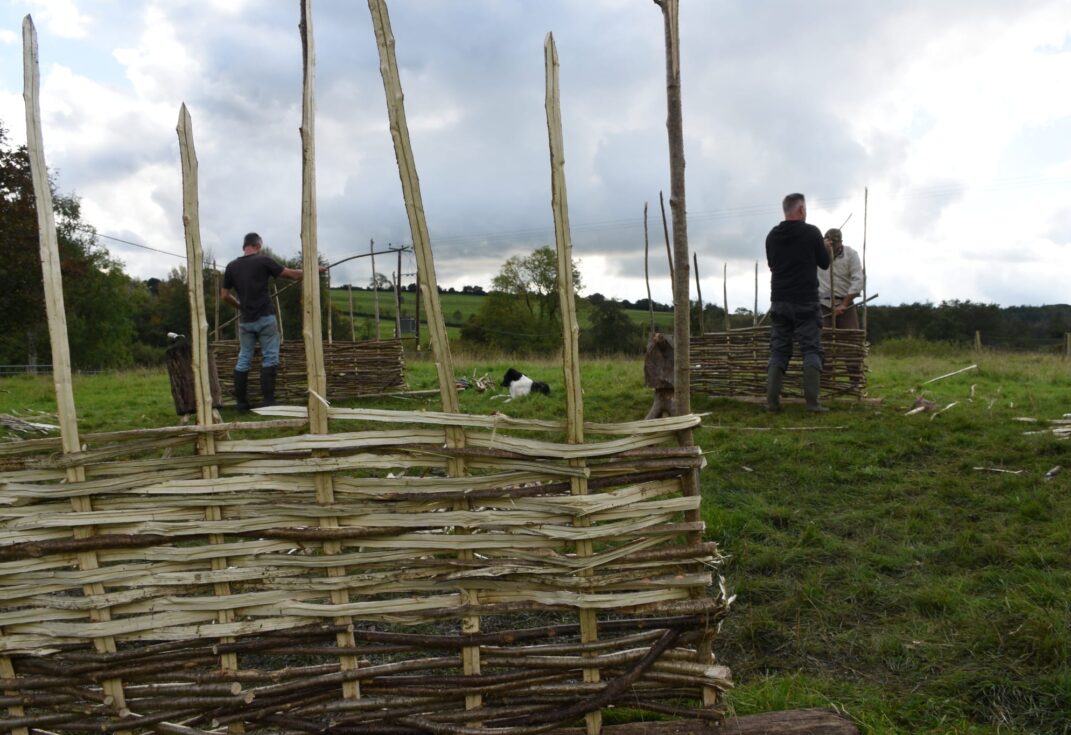
This project was awarded Dorset National Landscape Fund support in 24-24 to deliver free and low-cost sessions focused on sustainable and traditional hurdle making techniques, fostering creativity, wellbeing, and a deeper connection to the natural environment. Using natural materials grown on Wraxall Farm, the workshops celebrated and protected the Dorset landscape.

  • Other sources of funding: volunteer time
  • % of total funding awarded: 36%
  • Funding Received: £2176.00

Contribution to Dorset National Landscape Objectives

For the Environment of the DNL:
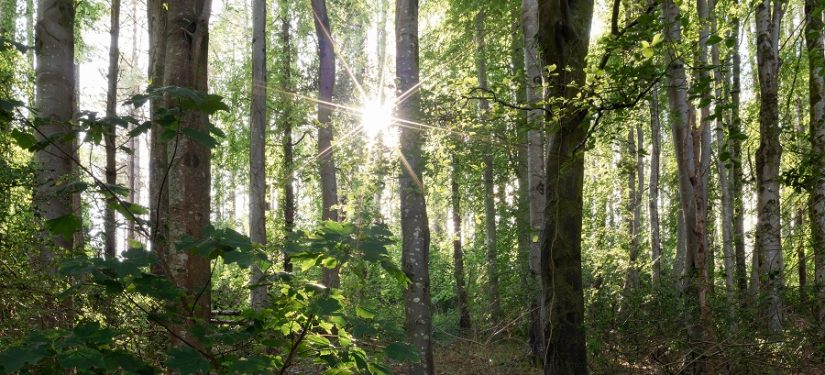
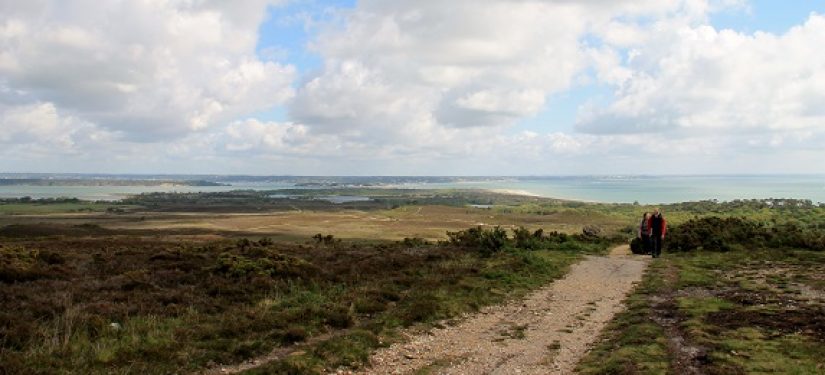
The project supports the objective that “the Dorset National Landscape is stunningly beautiful, tranquil and healthy” by promoting sustainable practices, using locally sourced natural materials, and encouraging outdoor engagement in a peaceful countryside setting.

For the Community of the DNL:
The project contributes to thriving, sustainable rural communities by providing inclusive, affordable workshops that enhance health and wellbeing. It also creates opportunities for education, learning, and volunteering for all ages, while inspiring creativity and cultural engagement rooted in the landscape’s heritage.

For the Economy of the DNL:
The project aligns with the aim of fostering “a world-class creative industry and wider green economy inspired by the landscape” by employing skilled practitioners, supporting local resources, and developing a framework for future creative and sustainable activities.

The Wraxall Workshops provided free and low-cost sessions focused on sustainable and traditional techniques, encouraging creativity, wellbeing, and a connection to nature.

Participants learned new skills, enjoyed outdoor experiences, and engaged in activities that supported mental and physical health while promoting land protection.
Aims

The project aimed to:

Create opportunities for practitioners to share expertise, network, and gain paid work, using locally grown natural materials.

Delivered in partnership with Wraxall Yard and Exchange Supplies, the workshops fostered inclusion, accessibility, and community connections, reaching those who might not otherwise access creative activities and trialling a model for future programmes.

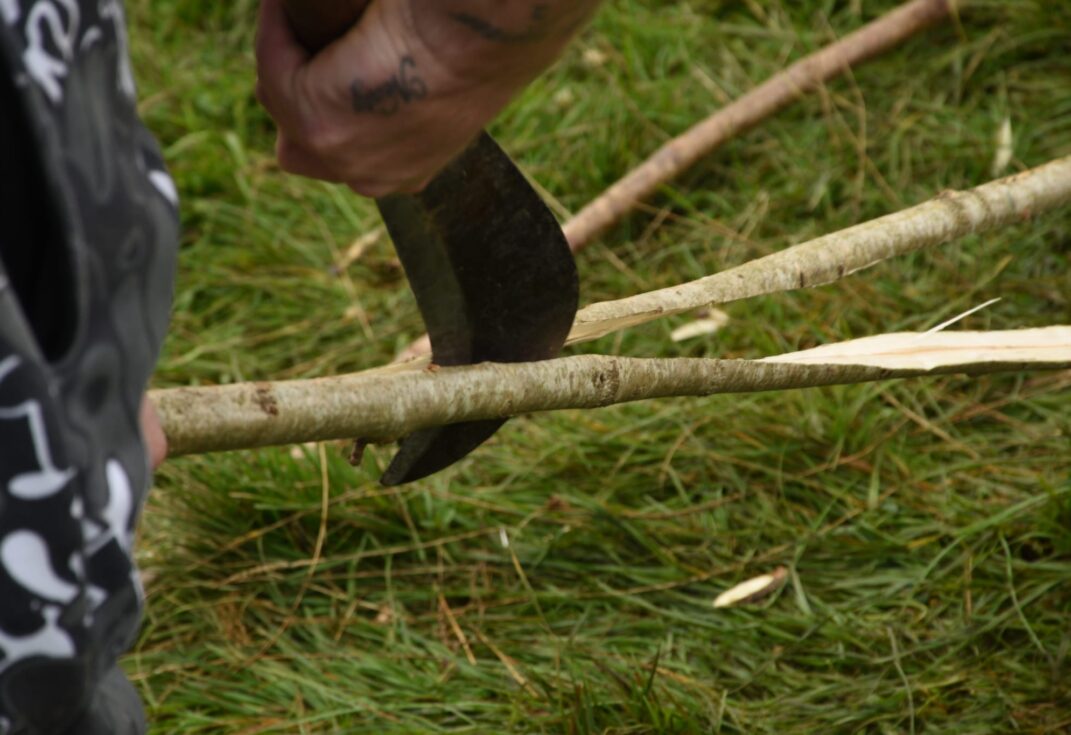
Tools of the Trade

Project Delivery

  • A series of free workshops were delivered, focusing on sustainable and ancient techniques, creativity, and improving physical and mental health.
  • Participant Feedback included:
    • Learned new historical and cultural skills, shared knowledge and experiences.
    • Felt mentally stimulated, challenged, and fulfilled.
    • Enjoyed group participation, meeting new people, and working collaboratively.
    • Reported benefits to mental and physical health: stress relief, calming effects, reduced burnout, and encouragement through creativity.
    • Engaging in new creative processes and producing tangible results in a peaceful environment helped participants cope during a difficult time of year.
    • Appreciated being outdoors in a comfortable countryside setting.
  • Practitioners: Five skilled practitioners were hired.
  • Materials: Natural materials were used sustainably (e.g., locally grown willow and hazel, wood from Wraxall woods, foraged wreath-making materials from storm-fallen trees).
  • Framework: Workshops created a repeatable and scalable model for future programmes.
  • Volunteers: 12 volunteers contributed in various roles.
  • Inclusivity: Workshops reached individuals with a history of drug and alcohol use and supported mental health.
  • Accessibility: Sessions were held in spaces with facilities suitable for mobility challenges, including wheelchair users.

Use of Grant Funding

  • Paid skilled practitioners to deliver workshops.
  • Purchased tools and materials for sessions.
  • Covered costs for hiring workshop spaces.

Changes and Adaptations

  • Some proposed workshops (natural dyeing, botanical cyanotypes, yin yoga and sound meditation) could not take place due to practitioner availability.
  • Wood carving expanded from a half-day to a two-day session.
  • Replacement workshops included plant and fungi drawing, embroidery, wreath making, and clay plant pots.
  • Willow weaving was funded by Exchange Supplies and increased from one to four sessions.
  • Tools budget was adjusted for amended courses; some tools were donated.
  • All workshop spaces were provided free of charge.
  • No ticket sales were needed due to voluntary hours and in-kind donations.
  • Timeline adjusted to align with seasonal materials, weather, and practitioner availability.
Performer

In total 5 x practitioners -benefitted from sharing skills, adding to their experience of delivering workshops, paid work, connecting with local people and organisations.

24 x workshop participants -including people from low economic backgrounds -a history of drug and alcohol uses -mental health issues, including anxiety and depression -mobility issues -with autism, ADHD, dyslexia -Ages 19-72

12 x volunteers -benefitted from being part of a project, feeling valued and meeting new people.

Social enterprises the project worked with – Exchange Supplies

Not for profit organisations -Wraxall Yard

Extended benefits

Partnerships

  • Partnerships were established and strengthened between Nadine Shaban, Wraxall Yard, and Exchange Supplies.
  • New collaborations formed between Nadine Shaban, Exchange Supplies, Wraxall Yard, and the hired practitioners.

What next

Wraxall Yard will continue the project with financial support from Exchange Supplies, and by applying for grants from other funding bodies and selling low cost tickets for workshops if needed.

Learning & Key to Success

  • Conduct thorough research and planning for costs, materials, and equipment before starting.
  • Overestimate budgets and time required for planning.
  • Stay flexible and adaptable throughout the project.
  • Be resourceful: seek free or low-cost tools and materials wherever possible.
  • Recognise that many people value being part of a project and will often volunteer their time and skills.

Advice for Others

  • Plan early and in detail.
  • Build contingency into budgets and timelines.
  • Network widely—community support and voluntary contributions can make a big difference.

What the Project Would Do Differently Next Time

  • Include sessions where parents can bring children, making activities more accessible and family-friendly.
  • Schedule workshops across a wider range of days and times to increase participation.
×